What Is a Tool Box and Why Does It Matter?
At its simplest, a tool box is a portable or stationary storage unit designed to hold hand tools, power tool accessories, hardware, and maintenance equipment. But spend any time working with tools and you'll quickly realise that not all tool boxes are created equal — and the wrong choice can be genuinely frustrating.
A flimsy lid that warps after a few months. Latches that pop open when you carry the box at an angle. Trays that don't quite fit the tools you actually own. These are the kinds of problems that come from buying without thinking it through.
The tool box market has expanded enormously over the past decade. You'll now find everything from compact plastic carry cases designed for a single trade to massive modular rolling systems that stack, lock together, and hold hundreds of kilograms of equipment. That variety is genuinely useful — but it also means the buying decision takes a little more thought than it used to.
Types of Tool Boxes
Portable Hand-Carry Tool Boxes
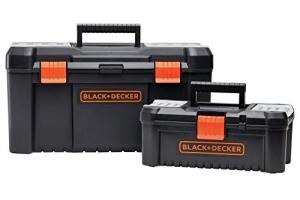
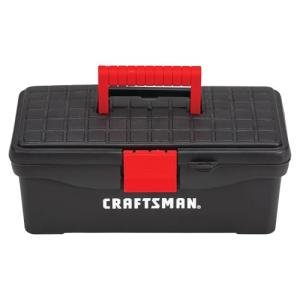
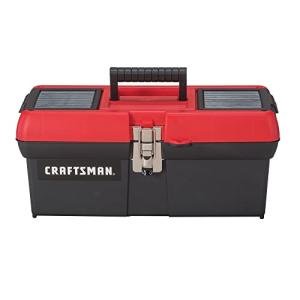
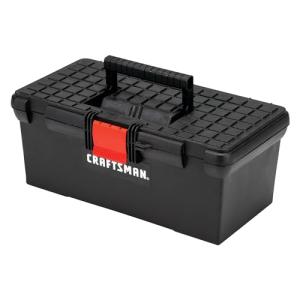
The classic form. A portable tool box typically has a single handle on top, a hinged lid, and an inner tray for smaller items. Most are made from high-impact plastic or steel, and they're sized to be carried comfortably with one hand.
These are ideal for mechanics, plumbers, electricians, and general maintenance workers who need a self-contained kit they can take from room to room or job to job without too much hassle. They're also a popular choice as a starter box for home DIYers who are building up their first proper tool collection.
Sizes range from compact 16-inch models — good for a basic set of hand tools — up to 26-inch or larger boxes that can carry a full trade kit. The internal layout typically includes a removable top tray for screwdrivers, pliers, and smaller items, with open storage below for larger tools like hammers, wrenches, and levels.
Tool Chests and Roller Cabinets
When the job is permanent or semi-permanent and portability isn't the priority, a tool chest or roller cabinet is usually the smarter investment. These are the large units you'll see in professional workshops, garages, and auto repair shops — standing on wheels, with multiple drawers, and built to last.
A top chest (also called a tool chest) sits on a workbench or on top of a roller cabinet and typically has shallower drawers suited to smaller hand tools and accessories. A roller cabinet (or bottom cabinet) sits on the floor on heavy-duty caster wheels and usually has deeper drawers for larger tools, power tool cases, and bulkier equipment.
The two are often bought as a matching pair and stacked together to create a full workshop storage system. High-end versions include locking mechanisms, soft-close drawers, foam liners, and load ratings of several hundred kilograms per drawer.
Tool Bags and Open-Top Totes
Not strictly a "box" in the traditional sense, but tool bags and open totes occupy the same space in the market and deserve a mention here. These are fabric or canvas carriers — often with reinforced bottoms and multiple external pockets — that offer faster access than a lidded box.
Electricians and carpenters often favour tool bags because you can see and grab what you need quickly without opening anything. They're lighter than steel or hard plastic alternatives and easier to carry on a shoulder or squeeze into a tight space.
The tradeoff is protection. A canvas bag won't defend your tools against impact, water, or dust the way a sealed hard case will. For site work in rough conditions, a hard-sided box remains the more practical choice.
Modular and Stackable Tool Systems
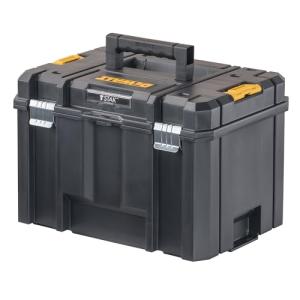
One of the most significant shifts in professional tool storage over the past several years has been the rise of modular stacking systems. Brands have developed ecosystems of boxes, organisers, and cases that clip or latch together into unified towers — typically with integrated handles and wheels at the base.
These systems are popular among tradespeople who want the portability of a carry box combined with the storage capacity of a workshop chest. A full stack might include a deep bottom case for power tools, a mid-height box for hand tools, a shallow organiser tray for hardware and fixings, and a smaller carry case on top.
The key advantage is flexibility. You can take the whole tower to a job site, then detach individual sections to carry to different areas. Many systems are also designed to be compatible with van storage racking, which is a genuine selling point for mobile trades.
What to Look For When Buying a Tool Box
Material and Build Quality
The two dominant materials are steel and high-impact plastic (usually polypropylene or ABS). Both have legitimate uses, and the right choice depends on how you'll use the box.
Steel boxes are heavier but offer superior rigidity and impact resistance. They're the preferred choice for permanent workshop installations and heavy-duty professional use. Look for powder-coated or galvanised finishes that resist rust, and check the thickness of the gauge steel — thinner gauge steel will dent and flex more easily under load.
Plastic boxes are lighter, often less expensive, and resistant to corrosion — which matters in wet or coastal environments. Modern engineering-grade plastics are tougher than they look, and many professional-grade plastic tool boxes will outlast cheap steel alternatives. The tradeoff is that plastic can crack or become brittle over time, particularly in very cold conditions.
Locking and Security
For anything that's going to be left on a job site, in a van, or in a shared workshop, a proper locking mechanism is essential. Entry-level boxes typically have a basic hasp-style closure that accepts a padlock. Mid-range and professional-grade boxes often include integrated combination or key locks.
On roller cabinets and chest systems, look for central locking that secures all drawers with a single turn — this is much more practical than individual drawer locks when you're moving quickly on a job.
Load Capacity and Drawer Ratings
This matters more than most buyers initially realise. A tool chest drawer that's rated for 25 kg will behave very differently from one rated at 75 kg — not just in how much it holds, but in how smoothly it opens, how it handles the weight of the cabinet above it, and how long the runners last.
If you're stocking drawers with heavy spanners, socket sets, and power tool accessories, always check the rated load per drawer and the total cabinet capacity. Overloading drawers is one of the most common causes of premature failure in roller cabinets.
Internal Organisation
The best tool boxes don't just store tools — they help you find them quickly. Look for removable or adjustable dividers, foam-lined drawers that can be cut to fit specific tools, and tray systems that separate small fasteners and accessories from larger hand tools.
For portable boxes, a removable top tray is almost essential. Without one, small items sink to the bottom and become difficult to retrieve without emptying the whole box.
Portability and Handling
On portable boxes, the handle is surprisingly important. Soft-grip handles on steel boxes reduce fatigue significantly on longer carries. Handles that fold flat when not in use make stacking and storage much easier.
On roller cabinets, the quality of the casters matters enormously. Look for ball-bearing casters with a minimum diameter of 100 mm for smooth rolling on uneven concrete or workshop floors. Locking casters (that prevent the unit from rolling when you don't want it to) are a practical necessity.
Matching a Tool Box to Your Needs
For Home DIY Use
If you're maintaining a home, doing occasional repairs, and building a general collection of hand tools, a mid-size portable tool box in the 18–22 inch range is probably all you need to start. Look for a sturdy plastic box with a removable tray, a solid latch, and enough depth to handle a hammer and a level lying flat.
As your collection grows, a small rolling cabinet in the garage or shed becomes a worthwhile investment — it turns a loose pile of tools into a functional workshop.
For Tradespeople and Professionals
Tradespeople typically need a combination of site-ready portable storage and a van or workshop base. A modular stacking system covers both ends of this well, giving you portability on site and organised capacity in the van.
For workshop-based professionals — auto mechanics, fabricators, machinists — a full chest-and-cabinet combination with multiple drawers, foam liners, and a high load rating is the sensible long-term investment. Buy once, buy well.
For Contractors and Site Workers
Durability and weather resistance are the top priorities here. Look for boxes with IP-rated seals, stainless steel latches, and robust handles. Modular systems with integrated wheels and locking compatibility with van racking are particularly practical.
Caring for Your Tool Box
A well-made tool box should last for many years with minimal maintenance. Keep steel boxes dry and apply a light coat of machine oil or wax to external surfaces if they're exposed to moisture. Clean plastic boxes with mild detergent and avoid solvents that can degrade the plastic over time.
On roller cabinets, keep drawer runners clean and apply a dry lubricant (PTFE spray works well) periodically to maintain smooth operation. Check caster bolts occasionally — vibration from regular use can loosen them over time.
Browse Our Full Range of Tool Boxes
Our tool box category includes portable carry cases, modular stacking systems, roller cabinets, top chests, and open tool bags from trusted brands. Whether you need a compact box for home use or a full professional workshop storage system, you'll find options across a range of sizes, materials, and price points.
The right tool box isn't the most expensive one — it's the one that fits the way you actually work. Take a few minutes to think through your storage needs before you buy, and you'll end up with a solution that genuinely makes your working life easier.