What Is a Power Tool Combo Kit?
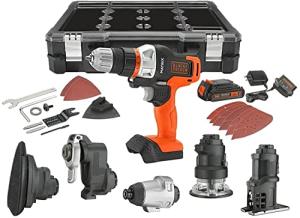
A power tool combo kit is a bundled set of cordless tools that share the same battery platform. Instead of buying a drill, a circular saw, and an impact driver separately — each from different brands with different batteries — a combo kit packages two, three, four, or even ten tools together, all running off the same voltage system and battery type.
The practical upside is significant. You charge one battery, and it works across every tool in the set. You store one charger. You buy one ecosystem. And because manufacturers bundle these tools together, you almost always pay less per tool than you would buying each one individually.
Combo kits aren't just for homeowners starting from scratch. Experienced contractors regularly pick them up when switching battery platforms, expanding a crew's capabilities, or stocking a new job site. At any skill level, the value proposition is hard to argue with.
Types of Power Tool Combo Kits
Not every combo kit is built for the same person or the same job. Understanding the different categories helps you avoid overpaying for tools you'll never use — or underpaying and ending up short.
2-Tool Combo Kits
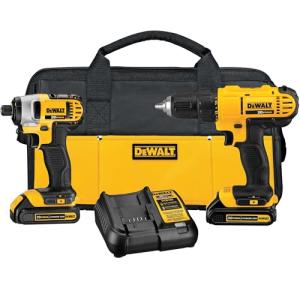
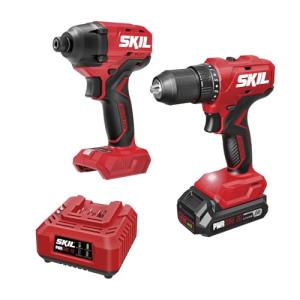
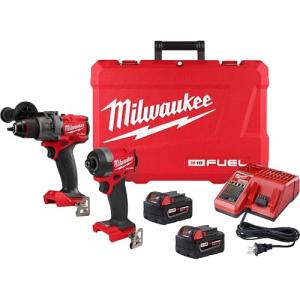
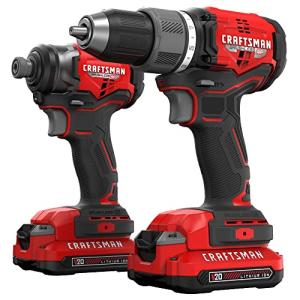
The most common entry point. These typically pair a drill/driver with an impact driver, which covers the vast majority of everyday fastening tasks. Some 2-piece kits swap the impact driver for a circular saw or reciprocating saw, depending on the intended use. If you're buying your first cordless setup or just need reliable basics, a 2-tool kit is the smart, focused choice.
3 to 4-Tool Combo Kits
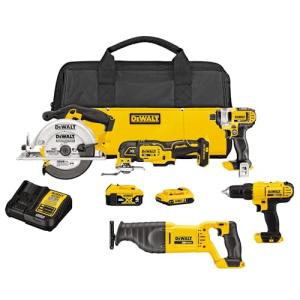
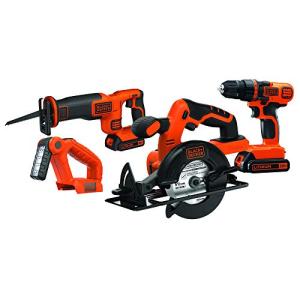
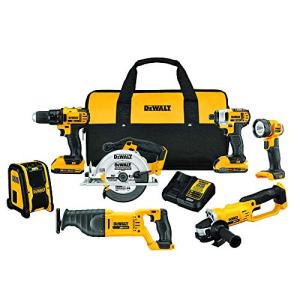
This is the sweet spot for most serious DIYers and light-duty professionals. A typical 3-piece kit might include a drill, impact driver, and reciprocating saw. Step up to four tools and you often gain a circular saw or an oscillating multi-tool. These kits handle a full renovation project without leaving gaps — rough cutting, drilling, driving, and demolition all covered.
5-Tool and Larger Combo Kits
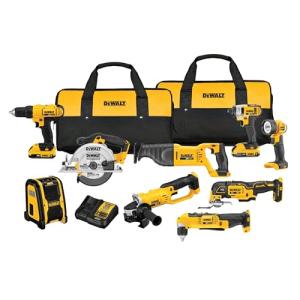
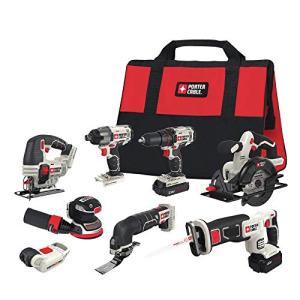
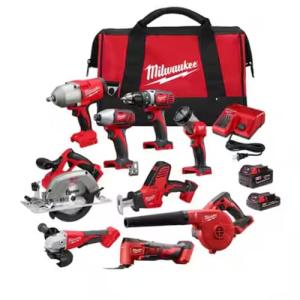
Built for job sites. These larger bundles often include worksite lighting, rotary hammers, jigsaws, angle grinders, and multiple batteries. If you're running a crew or setting up a complete shop, these kits eliminate the need for separate purchases and ensure every worker has access to the same battery system.
Trade-Specific Combo Kits
Some manufacturers design kits around specific trades — electricians, plumbers, framers, finish carpenters. These aren't just random assortments. They're curated based on what professionals in those fields actually reach for daily. If you work in a specific trade, these purpose-built kits are worth a close look.
Key Features to Evaluate Before You Buy
A combo kit is an investment. Knowing what separates a great kit from a mediocre one means you won't get stuck with underpowered tools, short-lived batteries, or a system your local hardware store stopped carrying.
Battery Voltage and Capacity
Voltage determines raw power. The most common options are 12V, 18V/20V MAX, and 40V/60V systems. For most homeowners and general contractors, 18V/20V MAX hits the right balance of power and tool weight. Higher voltage platforms like 40V or 60V are designed for heavy-duty applications — large diameter cutting, concrete drilling, high-torque driving.
Battery capacity is measured in amp-hours (Ah). A 2.0Ah battery is lighter and good for lighter tasks. A 5.0Ah or 6.0Ah battery adds runtime and is better for extended use on demanding jobs. The best kits include at least two batteries so you can swap and keep working while one charges.
Brushless vs. Brushed Motors
This matters more than most people realize. Brushless motors run cooler, last significantly longer, deliver more power per charge, and require less maintenance. Nearly all professional-grade and mid-range combo kits now use brushless motors across the board. If a kit at a low price point is advertising brushed motors, understand that you're trading long-term durability for upfront cost savings.
The Tools Included
This sounds obvious, but it's worth slowing down on. Before buying, list the three or four tools you actually use most. Then check whether the kit includes them. A combo kit stacked with tools you'll never pick up isn't a deal — it's just clutter. Prioritize kits where every included tool earns its spot on your workbench.
Brand Ecosystem and Compatibility
Buying into a battery platform is a long-term decision. Check how broad the brand's tool lineup is, whether their batteries are backward and forward compatible across product generations, and how easy it is to find replacement batteries and accessories at your local stores or online. DeWalt's FLEXVOLT platform, Milwaukee's M18 system, and Makita's LXT lineup all have deep ecosystems built over decades. That matters when you're adding tools five years from now.
What's in the Case or Bag
A kit that comes with a durable rolling case or contractor bag is genuinely more valuable than one that doesn't. Job site storage protects tools from damage, keeps everything together, and makes transportation far easier. Pay attention to whether the storage solution included actually fits all the tools and batteries — some kits technically include a bag that can barely hold half the contents.
Top Brands in the Combo Kit Category
DeWalt
DeWalt's combo kits are among the most popular in the professional trades for good reason. Their 20V MAX and FLEXVOLT systems are deeply compatible, widely available, and respected for durability. DeWalt kits tend to land at a mid-to-high price point but consistently deliver strong performance across every tool in the bundle. Their ATOMIC and XR series tools are particularly well-regarded for compact size without sacrificing power.
Milwaukee Tool
Milwaukee's M18 system is arguably the most comprehensive battery platform in the industry, with over 250 compatible tools. Their combo kits lean toward serious professionals — the tools are heavy-duty, the batteries are high-capacity, and the engineering shows in day-to-day use. Milwaukee is particularly strong in its impact driver and hammer drill lineup. If you're a tradesperson who puts tools through sustained abuse, Milwaukee is hard to beat.
Makita
Makita brings decades of manufacturing precision to their combo kits. The 18V LXT platform is broad and reliable, and Makita offers unique options like their 18V X2 (effectively 36V) dual-battery tools for users who want high power without jumping to a separate voltage platform. Makita kits tend to be a favorite among finish carpenters and woodworkers who value smooth, controlled performance alongside raw power.
Ryobi
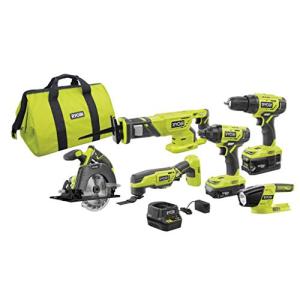
Ryobi's ONE+ system is the go-to for homeowners and casual DIYers. With over 300 tools in their 18V ecosystem, Ryobi offers breadth that few brands match at their price point. Their combo kits are honest about what they are — not professional-grade, but genuinely capable for weekend projects, home repairs, and lighter builds. If you're not putting tools through daily professional use, Ryobi offers outstanding value.
Bosch
Bosch combo kits are well-engineered, compact, and popular in the European market and among professionals who prioritize ergonomics and precision. Their 12V and 18V systems are tightly built, and Bosch tools often feel more refined in the hand than comparably priced competitors. If precision work — cabinetry, electrical, finish carpentry — is your primary focus, Bosch deserves serious consideration.
Combo Kits for Homeowners vs. Professionals
The right kit depends almost entirely on how you'll use it.
Homeowners should prioritize battery life, ease of use, and value. A 3-piece kit in the 18V range with two batteries and a fast charger covers hanging shelves, assembling furniture, minor repairs, and the occasional weekend project without overcomplicating the toolbox. Ryobi, DeWalt, and Makita all offer excellent options at this tier.
Contractors and tradespeople need durability above all else. Tools that get used eight hours a day, five days a week need brushless motors, reinforced housings, and high-capacity batteries. The extra upfront cost of a Milwaukee or DeWalt professional-grade kit pays off quickly in reduced downtime and fewer replacements.
Serious DIYers — the weekend warriors who take on full bathroom renovations, deck builds, and garage workshops — typically fall in between. Look for brushless kits in the 3-to-5 piece range from mid-tier brands. You want professional-quality motors without necessarily paying for the full commercial durability premium.
How to Get the Most Out of Your Combo Kit
Buying the kit is just the start. A few habits extend the life of your tools and batteries considerably.
Store batteries at room temperature. Heat and cold both degrade lithium-ion cells faster. Don't leave batteries on the charger indefinitely after they're full. Keep air vents on tools clear of sawdust and debris, especially on sanders and circular saws where buildup is constant. If a tool is going into storage for more than a few weeks, store the battery at a partial charge — around 50% — rather than fully depleted or completely topped off.
When one tool in a kit starts underperforming before the others, don't ignore it. Early diagnosis of worn brushes (in brushed models), a failing battery cell, or a dirty chuck can prevent a minor issue from becoming a dead tool.
Finding the Right Combo Kit Here
This category is organized to help you find the right kit without wading through dozens of irrelevant listings. Filter by number of tools, voltage, brand, or price range to narrow your options. Product listings include full specifications, included accessories, battery details, and genuine user reviews from people who've put these kits to work on real projects.
Whether you're outfitting a first toolbox or upgrading a job site, the right combo kit is in here. Take your time, match the tools to your actual work, and invest in the battery platform you'll want to build on for years to come.