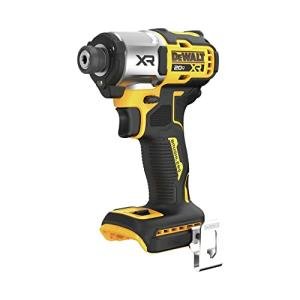
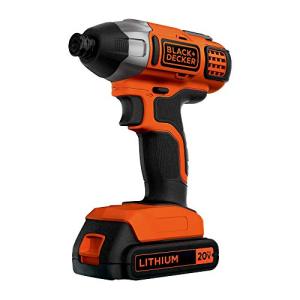
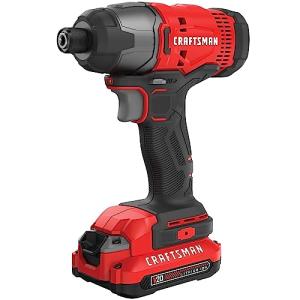
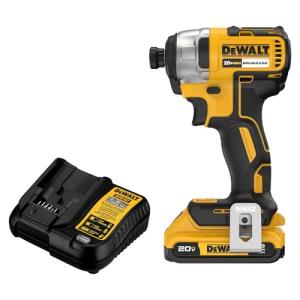
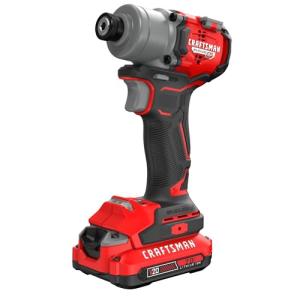

What Is an Impact Driver?
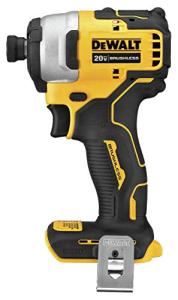
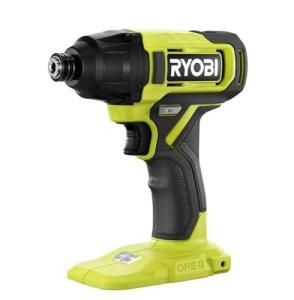
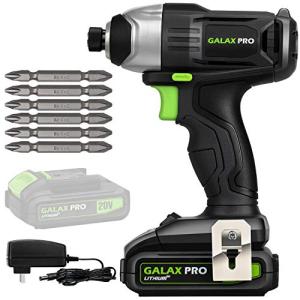
An impact driver is a compact, high-torque tool designed specifically for driving screws and tightening fasteners. Unlike a standard drill, it doesn't just rotate — it delivers rapid rotational bursts (called impacts) combined with forward hammering force. This dual-action mechanism is what gives impact drivers their signature punchy sound and their ability to muscle through tough materials without bogging down.
The mechanics are elegant in their simplicity. When resistance builds up — say, when a screw starts biting into dense hardwood or you're threading a long lag bolt — a spring-loaded hammer mechanism kicks in. It fires hundreds of times per minute, delivering short, sharp rotational blows that break the resistance and keep the fastener moving. The result is far less strain on your wrist and almost no cam-out (that frustrating moment when the bit slips out of the screw head).
For driving fasteners, impact drivers are simply in a different league compared to standard drills. That said, they're not designed for drilling holes — that's still the drill's job. Think of an impact driver as a specialist: it does one thing, and it does it extraordinarily well.
Impact Driver vs. Drill: Understanding the Difference
This is one of the most common questions people have when stepping into the world of power tools, and it's a fair one. Both tools look similar, both use bits, and both spin. So what's the actual difference?
A drill-driver applies steady, continuous torque. It's versatile — you can use it to drill holes into wood, metal, or masonry (with the right bits), and you can drive screws with it. It gives you fine control over speed and clutch settings, which makes it great for delicate work where you don't want to overdrive a fastener.
An impact driver, on the other hand, is purpose-built for driving. It has no clutch, it accepts only hex-shank bits, and it delivers up to 3–4x more torque than a comparably sized drill. When you need to run a hundred screws into framing lumber, or you need to seat a 3-inch structural screw without pre-drilling, the impact driver is the obvious choice.
Most professionals own both. If you could only pick one for a fastener-heavy job, the impact driver wins every time.
Key Specifications to Look For
Shopping for an impact driver involves a handful of core specs. Understanding what these numbers mean in practice will help you make a much better decision.
Torque (in-lbs or Nm)
Torque is the big one. It tells you how much rotational force the tool can deliver. For most homeowners and light-duty work, a tool in the 1,500–1,800 in-lbs range is more than adequate. Professional-grade models push into the 2,000–2,500+ in-lbs territory, which is what you want for structural fasteners, deck builds, or working in dense hardwoods.
More torque isn't always better — oversized torque can damage smaller screws or split wood if you're not careful. Many modern impact drivers solve this with multi-speed or auto-sensing modes that adjust power to the task.
IPM (Impacts Per Minute)
IPM tells you how many times the hammering mechanism fires per second. Higher IPM generally means faster fastener driving. Look for models with 3,000+ IPM for efficient performance. Some brushless models top out at 4,000+ IPM, which makes them noticeably snappier in real-world use.
RPM (Revolutions Per Minute)
RPM measures raw rotational speed. Most quality impact drivers operate between 2,800 and 3,800 RPM. Speed matters most when you're driving a lot of fasteners quickly — higher RPM means less time per screw.
Battery Voltage
The most common voltage options today are 12V and 18V (sometimes labeled 20V max by certain brands, which refers to peak voltage).
12V models are lightweight, compact, and great for overhead work, finish carpentry, and jobs in tight spaces. They have less torque but more maneuverability.
18V models are the workhorses. They deliver full professional-grade power and are what most contractors reach for on-site. They're heavier, but the performance difference is substantial.
Brushless vs. Brushed Motors
If you're buying new today, strongly consider a brushless motor. Brushless technology eliminates the friction-causing carbon brushes found in older designs, resulting in longer run times, less heat, longer motor life, and more consistent power delivery. The price premium is worth it for anyone who uses the tool regularly.
Cordless vs. Corded Impact Drivers
The vast majority of impact drivers sold today are cordless, and for good reason. Battery technology has advanced to the point where cordless tools match or exceed the performance of corded models in most real-world tasks. The freedom of movement, especially on job sites or in locations without accessible power, is a genuine productivity advantage.
That said, corded impact drivers still exist and still make sense in specific contexts — primarily in workshop settings where you're stationary, working for extended periods, and don't want to think about battery management. For the average buyer, cordless is the way to go.
Battery platform matters more than many buyers realize. If you already own tools from a particular brand — say, a drill, a circular saw, a work light — staying within that ecosystem means your batteries are interchangeable. This saves money and reduces the number of chargers cluttering your bench.
Who Should Buy an Impact Driver?
Impact drivers are genuinely versatile tools, but certain users will get more value out of them than others.
Homeowners and DIYers doing deck builds, fencing, furniture assembly, or general home repairs will find an impact driver dramatically speeds up their work. Even for occasional use, the time saved on any fastener-heavy project justifies the purchase.
Carpenters and framers drive thousands of screws per week. For them, an impact driver isn't optional — it's as fundamental as a tape measure. Speed and battery life are paramount.
Electricians and plumbers often work in cramped conditions, running cable hangers or securing pipe brackets overhead. A compact 12V impact driver is often their tool of choice for these tasks.
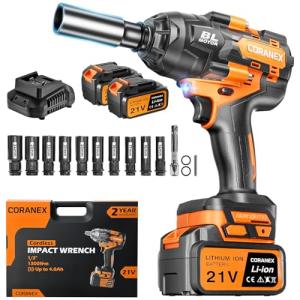
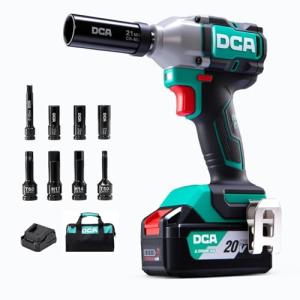
Automotive hobbyists use impact drivers and their heavier cousin, the impact wrench, constantly — for removing wheel bolts, working on suspension components, and general mechanical work.
Finish carpenters and cabinet installers use lower-torque models with speed control to set screws precisely without overdrive damage. For this work, a variable-speed, multi-mode impact driver is worth the investment.
Top Features Worth Paying For
Not every feature on an impact driver specs sheet is worth your attention, but some genuinely improve the tool's usefulness in the field.
Multi-speed modes let you dial in the right power for the job. A three-speed or four-speed selector — often combined with an auto mode — means you can run small finish screws on low and shift to high for structural fasteners without switching tools.
LED work lights sound minor until you're working in a cabinet, under a deck, or in an attic. A bright ring light around the chuck makes a real difference in accuracy.
Belt clip and bit holder are the kind of practical details that matter on a busy job. A magnetic bit holder on the tool body keeps your most-used bits within reach. A solid belt clip means the tool isn't sitting in the dirt between uses.
Compact and lightweight design matters more than people expect. An impact driver you use for eight hours a day needs to be comfortable in the hand. Top brands engineer their tools with ergonomics in mind — balanced weight distribution, rubberized grips, and a short overall length for tight-access work.
Maintenance and Best Practices
Impact drivers are robust tools, but a little care goes a long way in extending their life.
Keep your bits in good shape. Worn or low-quality bits slip, damage screw heads, and put extra stress on the tool. Invest in quality hex-shank bits — the difference in performance and longevity is real.
Store batteries properly. Lithium-ion batteries perform best when stored at partial charge (around 40–60%) and kept away from temperature extremes. If you're storing a tool for months, top the battery up before doing so.
Clean the chuck area periodically. Dust, debris, and shavings can work their way into the bit holder and affect retention. A quick clean with compressed air keeps things running smoothly.
Don't use impact drivers for drilling. The tool isn't designed for it, and forcing it to drill into material wears the mechanism faster and delivers poor results. Keep a drill in the kit for hole-making.
Choosing the Right Impact Driver: A Practical Summary
There's no single "best" impact driver — the right one depends on how you work, what you work on, and how often you're using it.
For occasional home projects, a mid-range 18V brushless model from a reputable brand will serve you well for years. Look for something in the 1,700–1,900 in-lbs torque range with at least two speed settings and a good battery included.
For professional daily use, invest in a premium brushless tool with 2,000+ in-lbs torque, a fast-charging battery system, and a compact form factor. Battery runtime and build quality matter most at this level.
For finish work or working in tight spaces, consider a 12V compact model as a second tool. The reduced weight and size make a real difference in comfort and control.
Impact drivers are one of those tools where quality directly translates to job quality. A good one feels precise, balanced, and almost effortless. A poor one fights you on every fastener.
The impact driver has earned its place as a cornerstone of the modern toolkit — not through hype, but through genuine performance. Whether you're a professional who depends on it daily or a homeowner who picks it up a few times a year, the right impact driver makes every fastening task faster, easier, and more satisfying.