Browse our full selection of glue guns below to find the right match for your project, budget, and skill level.
Glue Guns
Product List
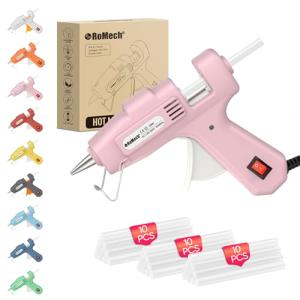
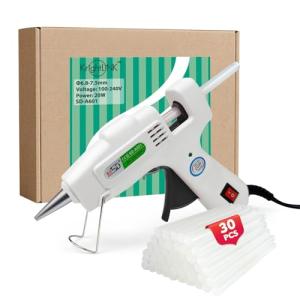
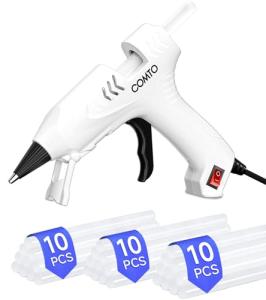
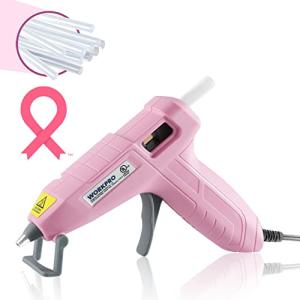
What Is a Glue Gun and How Does It Work?
A glue gun is a handheld tool that melts solid adhesive sticks and dispenses the liquid glue through a nozzle when you press the trigger. The glue bonds materials together as it cools and solidifies — and unlike many traditional adhesives that can take hours to cure, hot glue typically sets in under a minute. That speed is a big part of why glue guns have become a go-to tool for everything from school projects and seasonal decorations to furniture repairs and product packaging.
The science behind it is simple: the heating element inside the gun melts the adhesive stick, and the trigger mechanism pushes the molten glue forward. Once it hits the surface and cools, it creates a strong, flexible bond. The whole process takes seconds, which is exactly why crafters, contractors, and factories all rely on them.
Types of Glue Guns
Not all glue guns work the same way. Here's a look at the main categories you'll come across:
Hot Glue Guns (High-Temperature)
These are the most common type and what most people picture when they think of a glue gun. High-temp glue guns operate at around 380–400°F (193–204°C), making them powerful enough to bond harder materials like wood, metal, ceramics, and thick plastic. They're the workhorses of the glue gun world — fast, effective, and widely available. The trade-off is that the high heat can damage delicate materials, and burn risk is higher if you're not careful.
Low-Temperature Glue Guns
Low-temp guns operate at around 250°F (121°C), which is still hot but significantly gentler. They're the safer choice for delicate materials like ribbons, lace, thin fabrics, foam, paper, and floral arrangements. They're also a much smarter option when children are involved in the project. The bonds tend to be slightly less aggressive, but for lightweight materials, they're more than sufficient.
Dual-Temperature Glue Guns
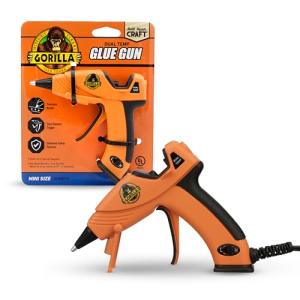
Dual-temp guns give you the best of both worlds. With a simple switch, you can toggle between high and low temperature depending on what you're working with. If you do a wide variety of projects — some delicate, some heavy-duty — a dual-temp gun is probably the most practical choice. They do tend to cost a little more, but the flexibility often makes it worthwhile.
Cordless Glue Guns
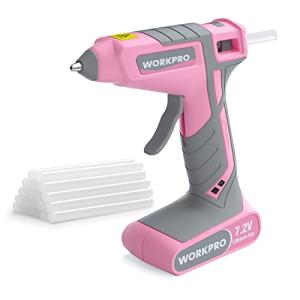
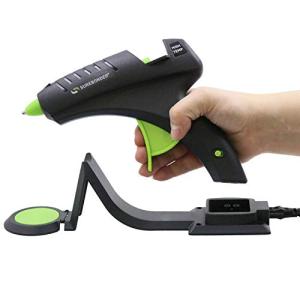
Battery-powered glue guns have come a long way in recent years. Models like those from Ryobi and Surebonder now offer reliable performance without the tether of a power cord, making them ideal for working in tight spaces, outdoors, or anywhere a socket isn't nearby. The main thing to watch for is heat-up time and how long the battery sustains consistent temperature — cheaper cordless models can lose heat quickly.
Mini vs. Full-Size Glue Guns
Mini glue guns are lightweight, affordable, and perfect for detailed work and smaller projects. They use narrower glue sticks (usually 7mm) and are easy to maneuver in tight spots. Full-size guns are heavier and more powerful, accept standard 11–12mm glue sticks, and are better suited for larger jobs that require more adhesive and a stronger bond.
Industrial and Pneumatic Glue Guns
At the heavy-duty end of the spectrum, industrial glue guns are built for high-volume, continuous use. Pneumatic models use compressed air to push the adhesive, allowing for consistent, precise output over long periods. These are used in manufacturing, packaging, furniture assembly, electronics, and automotive industries. Some models include foot pedals to reduce hand fatigue during extended use.
Key Features to Look For
Wattage
Wattage determines how quickly a glue gun heats up and how consistently it maintains temperature during use. A higher wattage means faster heat-up time and better performance under demand. A basic 10-watt gun is fine for light, occasional use. For regular crafting or home repairs, look for something in the 20–40 watt range. Professional and full-size guns often run at 60 watts or more, delivering faster, more reliable output.
Heat-Up Time
Nobody wants to sit and wait two minutes every time they need a dab of glue. Most quality glue guns heat up in 1–3 minutes. Some newer models come ready in under a minute. This matters more than people initially expect — especially mid-project when you've run out of glue and need a reload fast.
Drip Prevention
Hot glue strings and drips are one of the most common frustrations with cheaper guns. A well-designed no-drip nozzle keeps the adhesive inside the barrel when you're not actively applying glue, saving you cleanup time and reducing waste. It's a small feature that makes a noticeable difference in day-to-day use.
Ergonomics and Trigger Comfort
If you're doing extended projects, hand fatigue becomes a real issue. A comfortable, well-balanced grip and a smooth trigger mechanism matter a lot. Look for guns with an ergonomic handle that fits naturally in your palm, and a trigger that doesn't require excessive force to operate.
Built-In Stand
A built-in stand or kickstand is more important than it sounds. When you put a glue gun down mid-project, you need it to rest safely without the hot nozzle touching any surface — or dripping onto your work. Most decent-quality guns include one.
Auto Shut-Off
This is a safety feature worth prioritizing. An auto shut-off function turns the gun off after a period of inactivity, reducing the risk of overheating, burns, or fire hazards if you walk away and forget. Increasingly common on mid-range and premium models.
Glue Stick Compatibility
Glue guns are only as useful as the glue sticks available for them. Standard full-size guns use 11–12mm diameter sticks, while mini guns use 7mm sticks. Some specialty guns use cartridges or unique sizes. Before buying, check that the right glue sticks are readily available — and affordable.
What Can You Use a Glue Gun For?
The honest answer is: quite a lot. Glue guns are one of the most genuinely versatile tools around.
Home repairs: Seal small gaps, fix loose trim, reattach peeling wallpaper, stop rugs from slipping, fill nail holes in walls, or reattach loose tiles.
Crafts and DIY projects: Wreaths, floral arrangements, seasonal decorations, fabric crafts, scrapbooking, jewelry making, and general art projects.
Home improvement and décor: Upholstering headboards and footboards, creating no-sew fabric items like pillow covers and lampshades, and assembling handmade furniture accents.
Woodworking: While not a replacement for wood glue on structural joints, hot glue is excellent for holding pieces in position while other adhesives cure, filling small gaps, or doing quick assembly work.
Packaging and manufacturing: Industrial glue guns are used widely in product packaging, sealing boxes, bonding labels, and assembly line production.
Electronics: Low-viscosity industrial variants are used in electronics assembly for bonding components, insulating wires, and potting small parts.
Glue Guns for Kids and Beginners
If you're buying a glue gun for a child or a complete beginner, prioritize safety above all else. A low-temperature mini gun is the sensible starting point — the reduced heat significantly lowers the chance of burns. Look for models with an indicator light so it's obvious when the gun is on, and always supervise younger users. At this level, you don't need to spend much at all — affordable entry-level options from established brands do the job well.
How to Use a Glue Gun Safely
Glue guns are safe when used correctly, but the heat involved means a few basic precautions go a long way:
Always allow the gun to fully heat before inserting or feeding glue sticks. Work on a heat-safe surface and use a silicone mat or spare cardboard to catch drips. Never touch the nozzle or fresh glue — it stays hot for longer than you'd expect. When you're done, put the gun in its stand and let it cool fully before storing. Keep a bowl of cold water nearby if you're prone to accidentally touching the glue — it helps.
Glue Sticks: What to Know
The glue stick itself makes a significant difference in performance. Standard EVA (ethylene-vinyl acetate) glue sticks are the most common and work well for general-purpose bonding. Specialty glue sticks are also available: clear glue sticks for clean finishes, colored sticks for decorative work, fabric-specific sticks with more flexibility, wood sticks formulated for porous materials, and high-strength variants for demanding applications.
Always match the glue stick temperature rating to your gun's operating temperature. Using a high-temp stick in a low-temp gun (or vice versa) results in poor bonding and can damage the gun over time.
Choosing the Right Glue Gun for Your Needs
At the end of the day, the best glue gun is the one that fits how you actually work. A crafter who makes delicate wreaths needs something very different from a contractor fixing fixtures or a manufacturer running a production line. Here's a quick summary:
Casual home use or crafts: A mini or standard dual-temp gun in the 20–40W range is more than enough.
Regular DIY and home repairs: A full-size 60W gun with a no-drip nozzle and comfortable grip will serve you well for years.
Kids or beginners: Low-temperature mini gun with an auto shut-off.
Professionals and tradespeople: Full-size high-wattage corded gun, or a quality cordless model for on-site flexibility.
Industrial and manufacturing: Pneumatic or high-capacity industrial guns designed for continuous operation.
Glue guns are one of those rare tools that genuinely earn their place in any toolkit. They're fast, affordable, easy to use, and capable of handling an impressively wide range of tasks. Understanding the differences between types — and knowing which features actually matter for your work — means you'll spend less time wrestling with the wrong tool and more time getting things done.