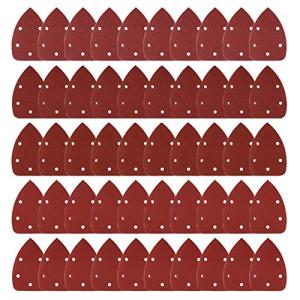
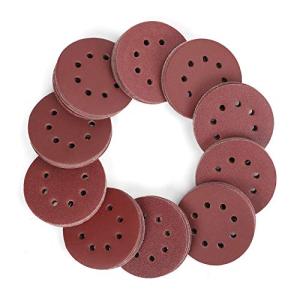
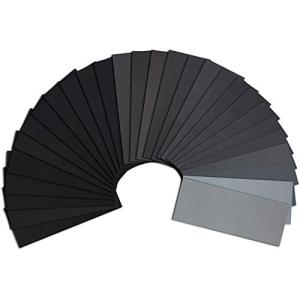
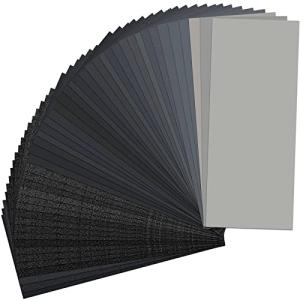
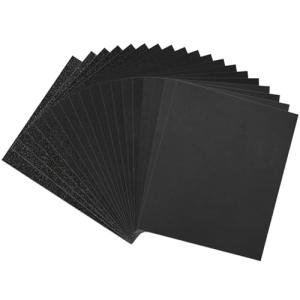
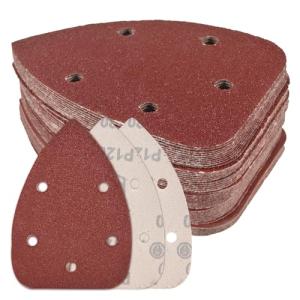
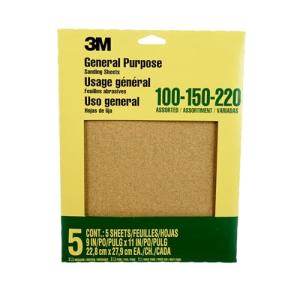
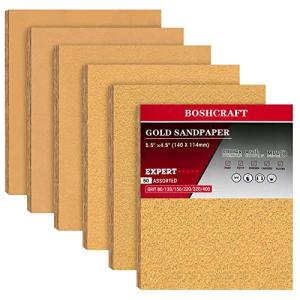
What Are Sanding Sheets?
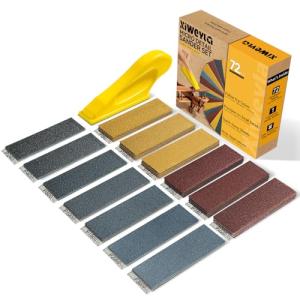
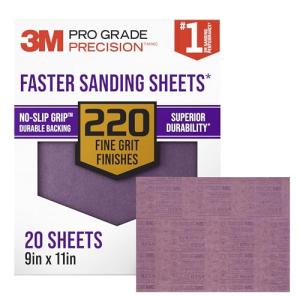
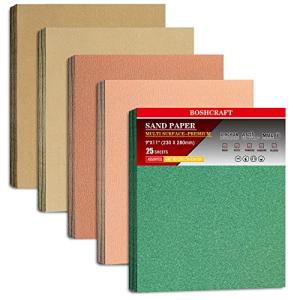
Sanding sheets are flat, rectangular pieces of abrasive material used to smooth, shape, strip, or finish a wide range of surfaces by hand or with a sheet sander. Despite being commonly called "sandpaper," modern sanding sheets contain no actual sand at all. The abrasive minerals used today — aluminum oxide, silicon carbide, ceramic, garnet — are far more effective than sand ever was, lasting longer and cutting more consistently.
A sanding sheet consists of three basic components: the abrasive grain, the bond that holds the grain in place, and the backing material. Each of these elements influences how the sheet performs, how long it lasts, and what kinds of tasks it's suited for. Understanding these three components is the foundation of choosing the right sanding sheet for your project.
Types of Sanding Sheets by Abrasive Material
Not all sanding sheets are created equal. The type of abrasive grain determines what materials the sheet can handle and how aggressively it cuts.
Aluminum Oxide Sanding Sheets
Aluminum oxide is the most popular abrasive material on the market, and for good reason. It rates around 9 on the Mohs Hardness Scale — just below diamond — making it incredibly tough and versatile. Aluminum oxide sanding sheets work on wood, metal, drywall, and plastic with equal effectiveness. What makes them particularly well-suited for woodworking is a clever characteristic: the grains fracture under pressure, constantly exposing fresh, sharp edges. This self-sharpening action means the sheet keeps cutting efficiently rather than dulling quickly.
If you're looking for an all-purpose sanding sheet that handles the majority of everyday tasks, aluminum oxide is the smart, cost-effective choice.
Silicon Carbide Sanding Sheets
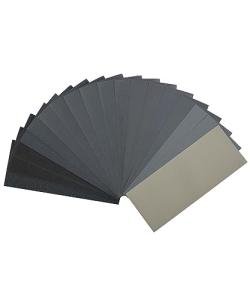
Silicon carbide is even harder than aluminum oxide, sitting at roughly 9.5 on the Mohs scale. These sheets are sharper and cut faster, making them ideal for harder, more demanding surfaces like stone, glass, marble, ceramics, and composites. Silicon carbide sanding sheets are also the preferred choice for wet sanding applications — many are manufactured on waterproof latex-backed paper that holds up to water and oil without breaking down.
For automotive bodywork, guitar finishing, knife-making, and 3D-printed objects where you want a flawless, scratch-free surface, silicon carbide wet/dry sheets are the go-to option.
Ceramic Sanding Sheets
Ceramic abrasive sheets are at the premium end of the spectrum. They're extremely hard, highly durable, and remove material aggressively. While they tend to cost more, ceramic sheets outlast aluminum oxide significantly and are best suited for heavy-duty power sanding on tough materials like hardwood, metal, and drywall. If you're running a sheet sander for long periods or tackling rough stock removal, ceramic sheets deliver excellent value over time.
Garnet Sanding Sheets
Garnet is a natural abrasive that's softer than the synthetic options above. Garnet sheets cut more gently and don't last as long, but they leave a notably fine finish on bare wood. Many fine woodworkers prefer garnet for final hand-sanding stages precisely because of this gentle, controlled cut. They're not ideal for metal or paint removal, but for finishing raw wood to a beautiful smoothness before applying stain or varnish, garnet sanding sheets are a traditional favourite.
Emery Cloth Sheets
Emery cloth sheets use natural emery grains bonded to a cloth backing rather than paper. The cloth makes them stronger, more flexible, and far more durable than standard paper-backed sheets. Emery cloth is specifically designed for metalworking — deburring, rust removal, polishing, and smoothing metal components. The flexible backing conforms naturally to curved and irregular metal surfaces, making it easier to work on pipes, bolts, and contoured parts.
Understanding Grit: The Most Important Number on the Package
Grit is the single most important specification to understand when buying sanding sheets. The grit number refers to the size of the abrasive particles on the sheet. A lower grit number means larger, coarser particles that remove material quickly and aggressively. A higher grit number means finer particles that produce smoother, more polished surfaces.
Coarse Grits: 36–80
These are your heavy hitters. Coarse grits are designed for rapid material removal — stripping old paint or varnish, levelling uneven wood, shaping rough surfaces, or removing rust from metal. They leave visible scratch marks and are typically used in the early stages of a sanding project. You wouldn't use a 40-grit sheet to finish a tabletop, but it's exactly what you need to take down a rough plank or strip a badly painted door.
Medium Grits: 80–180
Medium grits are the workhorse range for most general sanding tasks. They work well with both hand sanding and power sanding, smoothing out the scratches left by coarse grits and preparing surfaces for finer finishing. Grits in the 100–150 range handle the majority of household woodworking and painting prep work. If you're a DIYer who keeps just one or two types of sanding sheets in the toolbox, medium grit is the most practical choice.
Fine Grits: 180–320
Fine grits are where finishing begins in earnest. At this range, you're no longer removing material in significant amounts — you're refining the surface, eliminating the subtle scratches left by medium grits, and preparing the workpiece for staining, painting, or coating. Sanding between coats of paint or varnish typically falls in the 220–320 range. The result is a surface that feels genuinely smooth to the touch.
Very Fine and Ultra-Fine Grits: 320–2000+
At the upper end of the grit scale, sanding sheets transition from shaping and finishing into polishing territory. Grits above 400 are commonly used in wet sanding applications — automotive clear coat, lacquered furniture, musical instruments, and high-gloss painted surfaces. Silicon carbide wet/dry sheets in grits like 600, 800, 1200, 1500, or even 2000 can produce a mirror-like finish when used correctly with water as a lubricant.
Dry Sanding Sheets vs. Wet/Dry Sanding Sheets
One of the most practical decisions when buying sanding sheets is whether you need dry-only or wet/dry capability.
Dry sanding sheets use standard paper backing that isn't waterproof. They're the right choice for most woodworking, drywall, and general sanding tasks. Water would quickly degrade the backing and reduce performance, so stick to dry applications with these.
Wet/dry sanding sheets are built on a waterproof latex paper backing that remains stable when used with water or oil. The liquid acts as a lubricant during sanding, which reduces heat, prevents clogging, and produces a far finer finish with fewer micro-scratches. Wet sanding is the preferred method for achieving glass-smooth finishes on cars, guitars, knives, and fine furniture. If you're working toward a high-gloss result, wet/dry sheets in fine and ultra-fine grits are indispensable.
Open Coat vs. Closed Coat
Another specification worth knowing is whether a sanding sheet uses an open coat or closed coat of abrasive.
Open coat sheets have abrasive grains covering roughly 70% of the surface, leaving gaps between the particles. This design prevents the sheet from loading up (clogging with sanding dust), making open coat sheets excellent for softwoods, paint stripping, and use with power sanders.
Closed coat sheets have grains covering the entire surface. This gives a more aggressive and consistent cut, making closed coat sheets ideal for hardwoods, metals, and hand sanding where a uniform finish is the priority.
Backing Materials: Paper, Cloth, and Film
The backing is the foundation every abrasive grain is bonded to, and it has a significant effect on how the sheet handles and performs.
Paper backing is the most common and affordable option. It comes in different weights — lighter A and B weights offer more flexibility for hand sanding, while heavier C and D weights provide more stability and durability for general use.
Cloth backing is tougher and more tear-resistant than paper, making cloth-backed sheets the choice for demanding applications, metal finishing, and situations where the sheet needs to flex repeatedly without tearing. Emery cloth is the most familiar example.
Film backing is less common but offers exceptional consistency and durability, particularly in fine-grit wet sanding applications where uniformity matters most.
How to Use Sanding Sheets Effectively
Getting the most from your sanding sheets comes down to a few key habits:
Always sand in stages. Start with a coarser grit to do the heavy work, then move progressively through medium and fine grits. Jumping too quickly from coarse to fine leaves deep scratches that fine grits can't remove.
Use a sanding block. Wrapping a sheet around a flat sanding block distributes pressure evenly across the surface, preventing dips, hollows, and uneven spots. It also reduces hand fatigue over long sanding sessions.
Sand with the grain. On wood especially, sanding across the grain creates visible scratches that are very difficult to remove. Always work parallel to the wood grain for the best results.
Replace sheets when they stop cutting. A worn sanding sheet that's no longer cutting efficiently causes you to press harder, which leads to uneven results and wasted effort. Sanding sheets are inexpensive — don't push a tired sheet past its useful life.
Use water when wet sanding. Keep the surface and sheet lubricated during wet sanding to prevent heat buildup, reduce clogging, and achieve that ultra-smooth finish. Rinse regularly and wipe the surface clean to check your progress.
Common Applications for Sanding Sheets
Sanding sheets are used across an enormous range of projects and industries:
- Woodworking and furniture making — smoothing raw timber, finishing joinery, and preparing surfaces for stain or varnish
- Automotive bodywork — feathering filler, sanding primer, and polishing clear coat to a mirror finish
- Drywall finishing — smoothing joint compound, blending patches, and preparing walls for painting
- Metal fabrication — deburring edges, removing rust, and polishing surfaces to a clean finish
- Knife and blade making — hand finishing blades at high grits for precise, scratch-free surfaces
- Musical instrument finishing — achieving the ultra-smooth lacquer finish that professional instruments demand
- DIY home improvement — stripping paint from doors and trim, smoothing filler on walls, and preparing surfaces before repainting
Choosing the Right Sanding Sheet: A Quick Summary
When you're standing in front of the shelves trying to decide which sanding sheets to pick up, keep these questions in mind:
- What material are you sanding? Wood calls for aluminum oxide or garnet; metal prefers emery cloth or silicon carbide; hard stone and glass need silicon carbide.
- How much material do you need to remove? Heavy removal needs coarse grits; fine finishing needs high grits.
- Are you hand sanding or using a power sander? Lighter paper backing suits hand sanding; heavier backing handles power tools better.
- Do you need to sand wet? If you're aiming for a mirror finish or reducing dust, go with wet/dry waterproof sheets.
- Is clogging likely? Softwoods and paint removal benefit from open coat sheets; dense hardwoods and metal work better with closed coat.
Sanding sheets might look simple, but understanding the differences between grain types, grit levels, backing weights, and coating styles genuinely transforms the quality of your finished work. The right sheet for the job makes sanding faster, easier, and more satisfying — and it shows in the result. Browse our full range of sanding sheets to find the exact specification your project needs, whether you're smoothing fresh timber, restoring a car panel, or putting a final polish on a hand-crafted piece.