What Is a Sand Blaster and How Does It Work?
At its core, a sand blaster is a tool that propels abrasive media at high velocity against a surface to remove coatings, rust, scale, dirt, or other unwanted material. The word "sand blaster" has stuck around from the days when actual sand was the go-to abrasive — but today's machines can run on everything from glass beads and aluminum oxide to walnut shells and sodium bicarbonate.
The basic mechanism involves three elements working together: compressed air, abrasive media, and a delivery system. Air pressure picks up or pushes the abrasive through a nozzle, and that stream of fast-moving particles does the cleaning work. The key variables — air pressure, media type, nozzle size, and distance from the surface — determine how aggressive or how gentle the blasting action will be.
That combination of control and power is what makes sand blasting so versatile across industries. Automotive shops use it. Metal fabricators rely on it. Restoration professionals depend on it. Even artists and glass engravers work with specialized blasting setups to create detailed surface effects.
Types of Sand Blasters: Which One Is Right for You?
Not all sand blasters are built the same, and the differences between types aren't just cosmetic — they affect how fast you work, how much media you go through, and whether the job turns out right.
Siphon (Suction) Sand Blasters
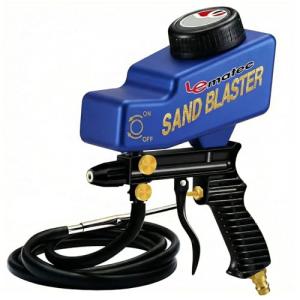
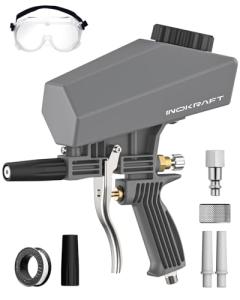
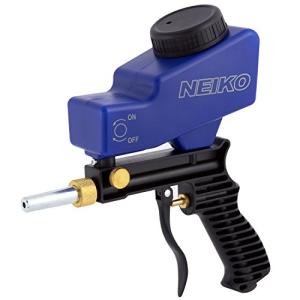
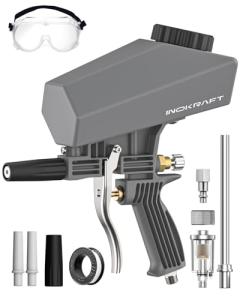
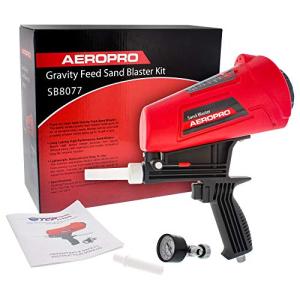
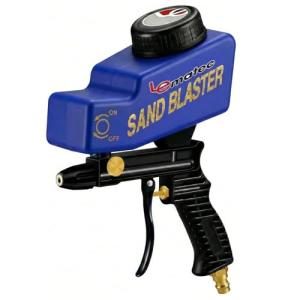
Siphon blasters are the most common entry point for occasional users and hobbyists. They work by using a venturi effect: compressed air passes through the gun, creating suction that pulls abrasive media up from a separate hopper or bucket below. The media mixes with the airstream and exits through the nozzle.
The appeal of siphon blasters is simplicity and cost. They have fewer moving parts, they're easy to load, and they're generally more affordable than pressure-fed systems. The tradeoff is efficiency — siphon guns deliver media at lower velocity, which means slower material removal and higher media consumption per square foot of surface cleaned.
For light-duty jobs, touch-up work, or infrequent use, a siphon blaster does the job without breaking the bank. For anything more demanding, you'll likely find yourself fighting the machine.
Pressure Pot Sand Blasters
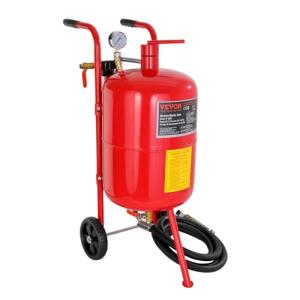
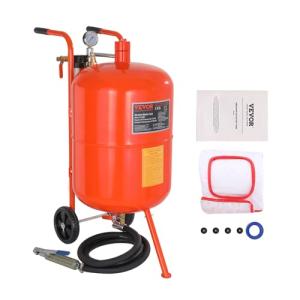
Pressure pot systems seal the abrasive media inside a pressurized vessel, then push it through the hose and nozzle using the full force of compressed air. This direct-pressure delivery makes them significantly more powerful and efficient than siphon systems — you move more media, faster, with less waste.
Pressure pots come in a range of sizes, from compact 10-pound units for smaller jobs up to large 150-pound pots suited to industrial surface prep. The bigger the pot, the less time you spend stopping to refill it, which matters enormously when you're blasting large areas.
These are the workhorses of professional shops. If you're stripping vehicle frames, cleaning structural steel, or doing repeated heavy-duty work, a quality pressure pot blaster will save you time and frustration. The initial investment is higher, but the productivity gain is real.
Cabinet Sand Blasters
Blast cabinets bring the abrasive process indoors, enclosing the work in a sealed chamber. You load the part through a door, reach in through gloved ports, and blast away while the cabinet captures and recycles the media. A built-in dust collector pulls fine particles out of the air inside the cabinet to keep visibility clear.
The advantages are significant: no mess outside the cabinet, no wasted media, and no need for a respirator since you're working through a sealed enclosure. Cabinet blasters are ideal for small to medium parts — carburetors, brackets, motorcycle components, hand tools, fasteners, and similar items.
Where a blast cabinet falls short is size. You're limited to what fits through the door. Large assemblies, long tubing, or full frames need an open blasting setup. But for a busy shop that regularly processes small metal parts, a good cabinet blaster earns its floor space quickly.
Dustless (Wet) Sand Blasters
Conventional dry blasting produces significant dust — fine particles of both the media and the stripped material become airborne and linger. In some environments, that's a serious problem: confined spaces, urban job sites, areas near sensitive equipment, or situations involving lead paint or other hazardous coatings.
Dustless blasters address this by introducing water into the abrasive stream. The moisture binds the fine particles, dropping them to the ground rather than letting them float through the air. The result is a dramatically cleaner working environment, better compliance with environmental regulations, and less exposure risk for the operator and anyone nearby.
Dustless systems have become standard in many professional restoration and remediation contexts, particularly for older buildings where lead paint removal is involved. They're more complex to set up and maintain, but the safety and compliance benefits justify the investment in the right applications.
Key Specifications to Understand Before You Buy
Shopping for a sand blaster means looking past the marketing language and understanding what the numbers actually mean for your work.
Air Pressure (PSI): More pressure means more aggressive cutting action. Most blasting applications operate somewhere between 50 and 130 PSI. Delicate surfaces like wood or aluminum may call for lower pressure, while thick mill scale or heavy rust removal benefits from higher pressure. Check both the machine's maximum rated PSI and what your compressor can actually deliver.
Air Volume (CFM): This is often the overlooked spec, and it's where many buyers run into trouble. A sand blaster might look impressive on paper, but if your compressor can't keep up with the machine's CFM demand, you'll be waiting for the compressor to recover constantly. Match your compressor's output to the blaster's requirement before you commit to a purchase.
Media Capacity: How much abrasive the machine holds determines how often you stop to refill. For small jobs or a blast cabinet, this matters less. For long sessions blasting large surfaces, a bigger media capacity means more time working and less time fumbling with bags of abrasive.
Nozzle Size and Material: The nozzle is a consumable that wears over time, especially with aggressive media like aluminum oxide or steel grit. Larger nozzle openings move more material and cover more area per pass, but they demand more CFM from your compressor. Ceramic and tungsten carbide nozzles last significantly longer than standard nozzles — worth the extra cost if you're blasting regularly.
Hose Length and Diameter: Longer hoses give you more range of movement but can reduce pressure at the nozzle. Wider diameter hoses move more volume. For a fixed cabinet setup, this matters less; for open blasting of vehicles or structures, having adequate hose length to work comfortably without repositioning your compressor constantly is a quality-of-life issue that becomes obvious fast.
Choosing the Right Abrasive Media
The machine is only half the equation. The media you run through it shapes the end result as much as the equipment itself.
Aluminum Oxide is a hard, aggressive abrasive that cuts fast and lasts through multiple cycles before breaking down. It's the standard choice for most metal prep work — stripping paint, removing rust, and creating a surface profile for coating adhesion.
Glass Beads produce a smooth, peened finish rather than a rough profile. They're used when the goal is cleaning and polishing without aggressively cutting into the base material. Common for stainless steel, aluminum, and decorative parts where appearance matters.
Garnet is a natural mineral abrasive with a moderate cut rate and low dust production. It's popular for wood, softer metals, and applications where you need less aggression than aluminum oxide but more than glass beads.
Crushed Glass offers a sharp cutting action similar to aluminum oxide at a lower cost per pound. It's widely used in industrial and marine applications where price per square foot of coverage matters.
Plastic Media is the go-to for stripping coatings from fiberglass, composites, and thin-gauge aluminum without damaging the substrate. Aerospace, marine, and automotive bodywork applications where substrate protection is critical make heavy use of plastic blasting media.
Sodium Bicarbonate (Baking Soda) is the gentlest option on the list and is used for food processing equipment, historical restoration, and any situation where aggressive abrasion would damage the underlying surface. It's water-soluble, which makes cleanup easier, and it's non-toxic.
Safety: What You Absolutely Cannot Skip
Sand blasting involves high-pressure air, fast-moving abrasive particles, and — depending on the surface you're stripping — potentially hazardous dust including lead, chromium compounds, and silica. Cutting corners on protection is not a calculated risk; it's an invitation to serious, lasting harm.
A proper blast hood or helmet with an air-fed respirator is non-negotiable for any open blasting work. Passive dust masks do not provide adequate protection against fine silica particles or heavy metal dust. Leather or blast-rated gloves protect hands from the backscatter that comes off any blasting surface. Heavy clothing or a blasting suit keeps abrasive off skin.
Work in well-ventilated areas whenever possible. If you're working in a confined space or blasting coatings that contain hazardous materials, treat it as a respiratory hazard scenario requiring full respiratory protection and appropriate disposal procedures for the spent media and stripped material.
Beyond personal protection, think about your compressor placement — keep it well away from the blasting area so it's drawing clean air rather than pulling in abrasive dust. And always check hose connections and fittings before pressurizing the system. A hose failure under blasting pressure isn't just inconvenient; it's dangerous.
Getting the Most from Your Sand Blaster
Even a good machine delivers poor results if technique is off. Keep your nozzle at a consistent angle — typically 45 to 90 degrees to the surface — and maintain a steady, overlapping pass pattern rather than lingering in one spot. Move at a pace that matches the material removal you're seeing. Too slow and you over-blast; too fast and you leave patches untouched.
Keep media dry. Moisture in abrasive clumps it, clogs hoses, and ruins flow. Store media in sealed containers and check your air supply for moisture — an inline water separator on your compressor line is a small investment that prevents a lot of frustration.
After any blasting session, work quickly. Freshly blasted metal is stripped of its protective oxide layer and will begin to flash rust within hours in humid conditions. Prime or coat as soon as the surface is ready, and you'll preserve all the work you put into the prep.
Browse Our Full Sand Blaster Range
From entry-level siphon guns to professional pressure pots and full blast cabinet systems, our sand blaster category covers the full spectrum of blasting needs. Whether you're a weekend hobbyist working on a restoration project in the garage or a professional shop running parts through a cabinet every day, there's a machine here built for what you're doing.