
What Is a Rotary Tool?
A rotary tool is a handheld power tool that spins a small bit, blade, or attachment at very high speeds — typically anywhere from 5,000 to 35,000 RPM. That spinning motion, combined with the right accessory, lets you cut, grind, sand, polish, engrave, drill, carve, and clean almost any material you can think of: wood, metal, plastic, glass, ceramic, stone, and even leather.
The defining characteristic of a rotary tool isn't raw power — it's precision. Unlike an angle grinder or a circular saw, a rotary tool is built for detailed, controlled work. You hold it like a pen, which gives you a level of dexterity and accuracy that larger power tools simply cannot match. That's why rotary tools are equally at home in a woodworking workshop, a jewellery studio, an auto body garage, and a hobbyist's craft room.
The History Behind the Tool
The modern rotary tool owes its existence largely to the Dremel company, which introduced its first high-speed rotary tool in 1934. The Dremel name became so synonymous with the tool type that many people still refer to any rotary tool as a "Dremel," much the same way people call any adhesive bandage a "plaster." Today, the market has expanded far beyond a single brand, with manufacturers ranging from premium professional names to affordable entry-level options — but the fundamental design has stayed remarkably consistent because it simply works.
Types of Rotary Tools
Not all rotary tools are built the same way. Understanding the main types will help you choose the right one for your needs.
Corded Rotary Tools
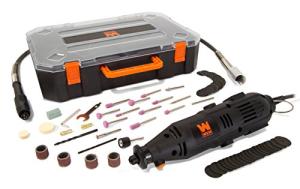
Corded models plug into a wall outlet and deliver consistent, uninterrupted power. If you're doing extended sessions of heavy grinding, carving, or cutting, a corded rotary tool won't let you down with a dying battery. They tend to offer a wider variable speed range and are generally better suited to a workshop environment where you're working at a bench or table.
Cordless Rotary Tools
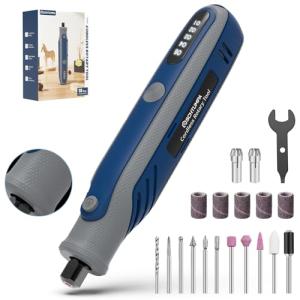
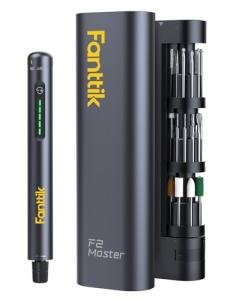
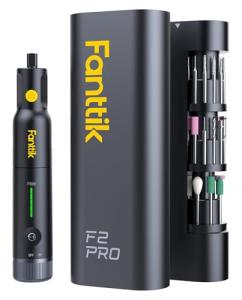
Battery-powered rotary tools have come a long way. Modern cordless models running on lithium-ion batteries deliver performance that genuinely rivals their corded counterparts for most everyday tasks. The trade-off is runtime — you'll eventually need to recharge — but the freedom of movement makes cordless rotary tools outstanding for on-site work, repairs around the house, or any project where dragging a power cable is inconvenient.
Flex-Shaft Rotary Tools
A flex-shaft attachment connects a motor unit — often mounted on a hanging stand — to a slim, flexible shaft that you hold in your hand. The result is an incredibly nimble tool that feels almost like a pencil. Jewellers, sculptors, dental technicians, and fine-detail carvers love flex-shaft setups because they transfer vibration away from your hand and allow extraordinary control in confined spaces.
Rotary Tool Kits
Most rotary tools are sold as kits that bundle the tool itself with a selection of accessories. Starter kits might include 50 to 100 pieces; professional kits can come with upward of 300 accessories. If you're new to rotary tools, a kit is almost always the better buy — it gives you the breadth to experiment across different applications and figure out what you reach for most.
Key Features to Look For
Shopping for a rotary tool involves more than just comparing wattage figures. Here's what actually matters in day-to-day use.
Variable Speed Control
The ability to dial in your speed is arguably the most important feature on any rotary tool. Soft materials like wood and leather need lower speeds to avoid burning. Hard materials like steel and stone need higher speeds for effective cutting. Glass and ceramics are notoriously sensitive — too fast and you crack them. A wide variable speed range (ideally 5,000 to 35,000 RPM) gives you the flexibility to work with confidence across different materials.
Chuck Type and Collet System
The collet is the mechanism that grips your accessory. Most rotary tools use collet sleeves in a few standard sizes (typically 1/32", 1/16", 3/32", and 1/8") to accommodate different shank diameters. Some models feature a keyless chuck — a three-jaw system that grips any shank diameter within its range without requiring collet changes. If you work with a wide variety of accessories, a keyless chuck saves you significant time and frustration.
Ergonomics and Weight
You hold a rotary tool for extended periods, often in awkward positions. Grip diameter, weight distribution, and the placement of the speed control all affect how tiring the tool is to use. Slim-barrel designs feel more like a writing instrument and are better for detailed carving and engraving. Wider-body tools can be easier to grip firmly during heavier material removal.
Vibration and Noise
High vibration transmits directly into your hand during long sessions, contributing to fatigue. Quality bearings, a well-balanced motor, and a secure collet system all reduce vibration noticeably. Noise is partly a function of speed — running at high RPM generates more sound — but motor quality plays a role too.
Accessory Compatibility
Before buying, check which accessory systems the tool is compatible with. Most tools accept standard 1/8" shank accessories, which means a large third-party ecosystem is available to you. Some manufacturers use proprietary quick-change systems for their own accessory lines, which can be convenient but limits your choices.
Rotary Tool Accessories: Where the Real Versatility Lives
The tool body is really just a platform. It's the accessories that determine what your rotary tool can actually do.
Cutting Discs and Wheels
Fibre-reinforced cutting discs let you slice through metal, wood, plastic, and tile with surprising ease given the tool's small size. These are popular for cutting bolts, trimming pipes, creating slots, and detailed fretwork in thin sheet metal. Always wear eye protection — cutting discs can shatter if they bind or are used at an angle.
Grinding Stones and Carbide Bits
Grinding stones (usually aluminium oxide or silicon carbide) are used for sharpening tools, removing rust and scale, smoothing welds, and shaping metal. Carbide cutting bits are harder still and excel at carving hardwood, removing material from fibreglass, and engraving hard surfaces.
Sanding Drums and Discs
For woodworkers, sanding drums fitted into a rotary tool create a small spindle sander that's perfectly suited to smoothing curved cutouts, refining edges, and reaching places that flat sandpaper can't. Flap wheels are ideal for blending and finishing.
Polishing and Buffing Wheels
Felt polishing wheels combined with polishing compound can bring metal, plastic, and stone to a mirror shine. This makes rotary tools invaluable for jewellery making and metalwork finishing, where professional-quality results are possible without a dedicated bench polisher.
Engraving Bits
High-speed steel and carbide engraving bits allow you to inscribe text, patterns, and artwork onto glass, metal, wood, and stone. At low speeds, engraving is a meditative, highly controllable process that produces beautiful personalised results — from custom glassware to engraved signs.
Cleaning and Surface Preparation Brushes
Wire brushes and nylon cleaning wheels are excellent for removing rust, paint, oxidation, and old adhesive from metal surfaces. This is where rotary tools earn their place in automotive and restoration work — getting into tight spaces around bolts, hinges, and welds where no other cleaning tool can reach.
What Can You Make and Do With a Rotary Tool?
The creative and practical applications of rotary tools are genuinely vast.
Woodworking and carving: Relief carving, inlay routing, detailed shaping, decorative lettering, cleaning up joinery, and creating texture in sculptural work.
Jewellery making: Drilling holes in stone beads, polishing metal settings, engraving surfaces, cutting sheet metal, and setting stones.
Home repair and maintenance: Cutting rusted bolts, sharpening lawnmower blades and garden shears, removing grout from tiles, cutting access holes in drywall, and stripping paint from hardware.
Model making and hobby work: Plastic model cleanup, resin casting cleanup, miniature painting and basing preparation, scale model detailing.
Glasswork: Engraving designs onto wine glasses and mirrors, drilling holes in glass for pendant lights and terrariums.
Pet grooming: Rotary pet nail grinders use the same technology to safely file down dog and cat nails without the risk of cutting the quick.
Safety: What You Must Know Before You Start
Rotary tools spin at speeds that demand respect. A few fundamental safety habits will protect you and produce better results.
Always wear safety glasses or goggles — not just reading glasses. Cutting discs in particular can eject fragments at high velocity. For grinding and cutting metal, a face shield is even better.
Secure your workpiece. A rotary tool requires two hands when possible: one on the tool, one stabilising what you're cutting. If that's not practical, clamp your work to the bench.
Match your accessory to your speed. Check the maximum RPM rating printed on every accessory and never exceed it. Running a cutting disc rated for 25,000 RPM at 35,000 RPM can cause catastrophic disc failure.
Let the tool do the work. Forcing a rotary tool, pressing too hard or working too fast, causes accessories to wear quickly, overheats the motor, and reduces control. Light, controlled passes produce cleaner results.
Choosing the Right Rotary Tool for Your Budget
Entry-level rotary tools in the $20–$40 range are perfectly capable for occasional home use, light carving, and general crafting. They may have limited speed ranges and less durable motors, but for hobbyist frequency of use, they perform well.
Mid-range tools in the $50–$120 bracket offer meaningful improvements in motor quality, variable speed precision, ergonomics, and accessory compatibility. This is where the sweet spot sits for most serious hobbyists and semi-professional users.
Professional-grade rotary tools from $130 upward are built for sustained heavy use. Better bearings, more powerful motors, superior speed control, and longer warranties justify the investment for anyone using a rotary tool regularly as part of their work or craft.
Few tools offer the combination of versatility, precision, and accessibility that rotary tools deliver. Whether you're a weekend woodcarver, a jewellery maker, someone who likes doing their own home repairs, or a professional tradesperson who needs a reliable detail tool on every job, there is a rotary tool in this category that fits your work and your budget.